September: National Food Safety Education Month
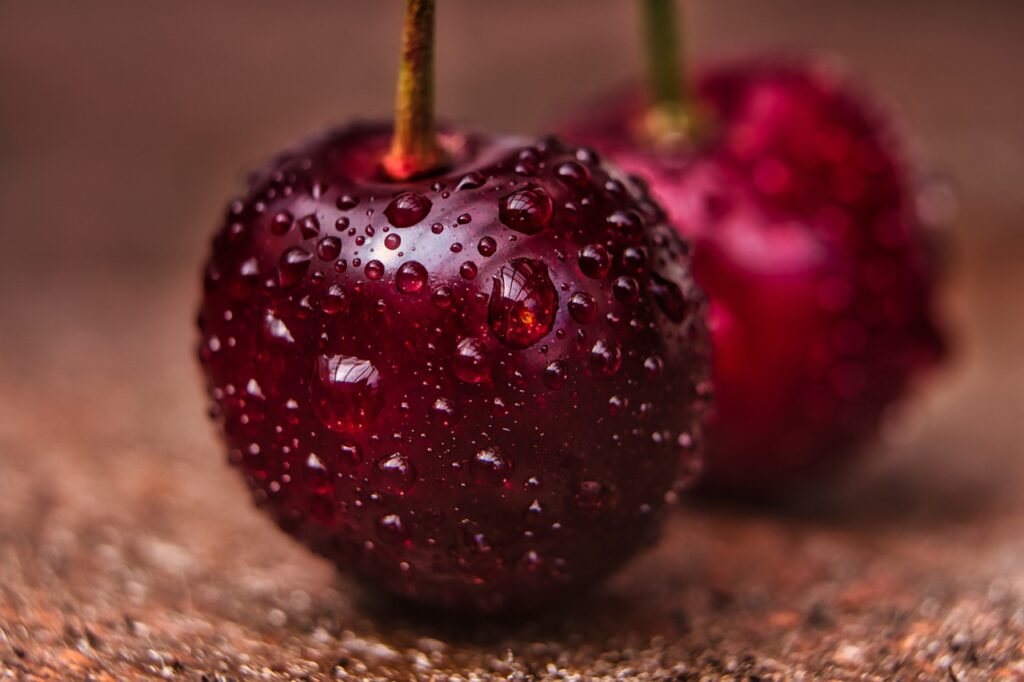
September is National Food Safety Education Month! This month is all about taking steps to prevent foodborne illness, also known as food poisoning. Symptoms of foodborne illness can include: diarrhea, vomiting, abdominal pain, headache, and fever.
Below are easy steps to prevent foodborne illness in your kitchen:
- WASH: your hands, cutting boards, dishes, and counters with warm, soapy water.
- SEPARATE: your produce from raw meat, poultry, and eggs in the fridge.
- COOK: Use a thermometer to make sure meat is cooked properly:
- Beef and pork: 145 °F
- Fish: 145 °F
- Ground Beef or Pork: 160 °F
- Turkey and Chicken: 165 °F
- CHILL: Refrigerate meat, poultry, eggs, and produce within 2 hours of purchasing or cooking.
Written by: Priya Samuel, EFNEP student volunteer
Vitamin A
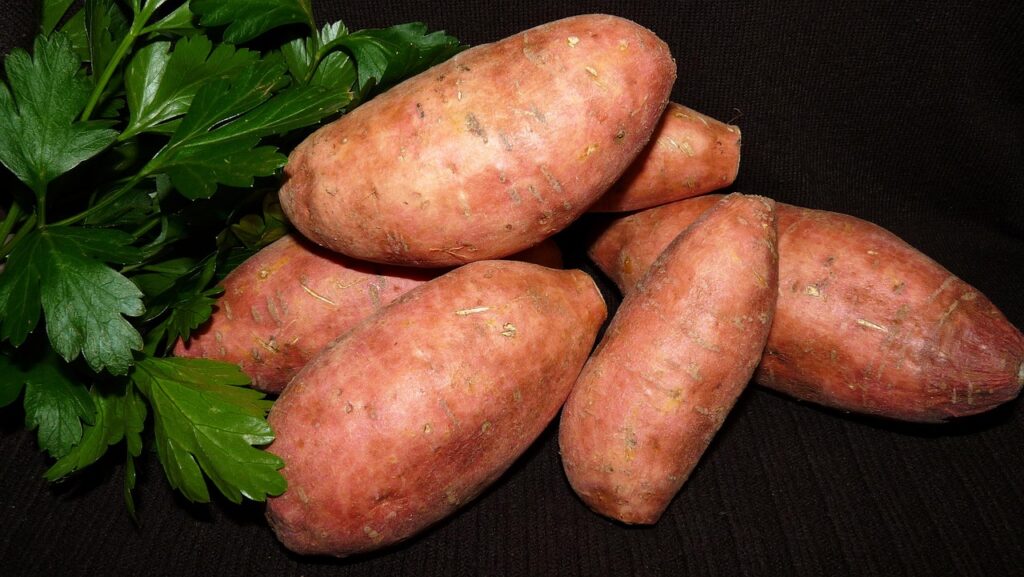
Vitamin A is a nutrient important for growth, immunity, and vision. Vitamin A has antioxidant properties, which can help protect our cells from damage and lower our risk of some cancers and heart disease.
Since our bodies cannot make vitamin A, we need to get it from our food. Foods like carrots, cantaloupe, and sweet potato contain beta-carotene. Our bodies convert beta-carotene into vitamin A.
Other sources of Vitamin A include:
- Spinach
- Liver
- Dairy products (milk and cheese)
- Fish (herring and salmon)
- Eggs
It is recommended that adult men get at least 900 micrograms (mcg) of vitamin A daily. Women should get at least 700 mcg of vitamin A daily. If you think you might not be getting enough vitamin A, check with your healthcare provider.
Sources: Mayo Clinic
Written by: Priya Samuel, EFNEP Student Volunteer
Cherries
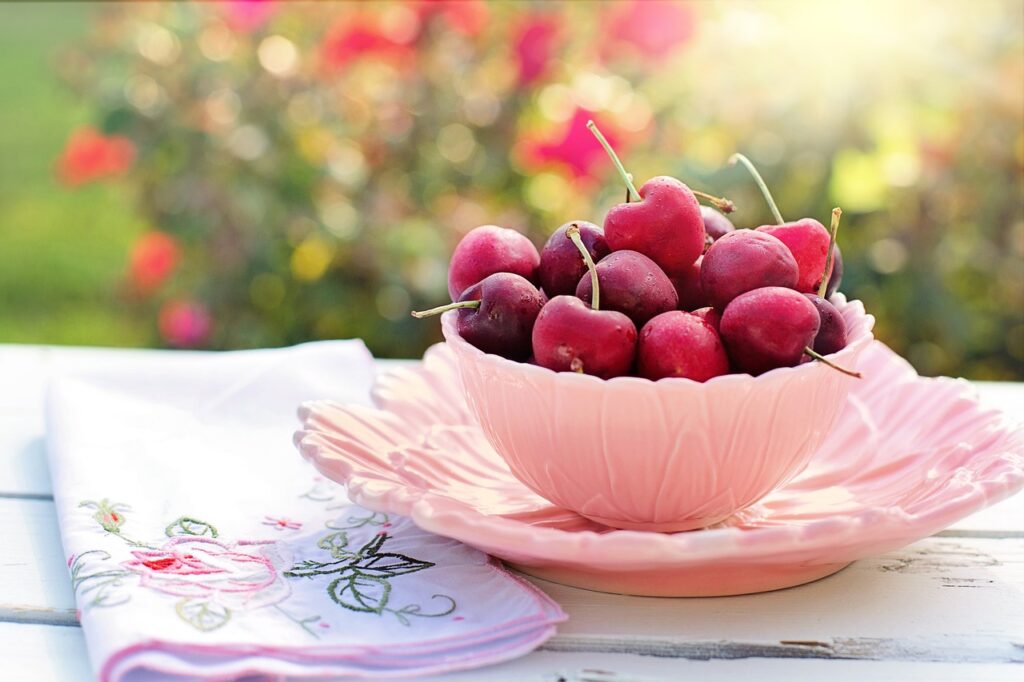
Cherries are high in antioxidants and contain vitamin C and potassium. Antioxidants protect our cells from damage. Vitamin C boosts immunity while potassium maintains normal blood pressure.
Cherries also may encourage more restful sleep. They contain melatonin, a hormone that helps balance our sleep-wake cycles.
Storing and Choosing Cherries:
- The freshest cherries are darker in color with green stems.
- Choose large, firm cherries.
- Store cherries in your fridge away from foods with a strong odor.
- Wash cherries right before you eat them.
- Purchase frozen cherries, they are usually a better deal and will last longer.
How to add cherries to your diet:
- Add frozen cherries to a fruit smoothie.
- Bake cherries into an oatmeal bar.
- Toss cherries into a salad.
- Try these Cherry Puff Pancakes from MyPlate!
Written by: Priya Samuel, EFNEP student volunteer
Asparagus
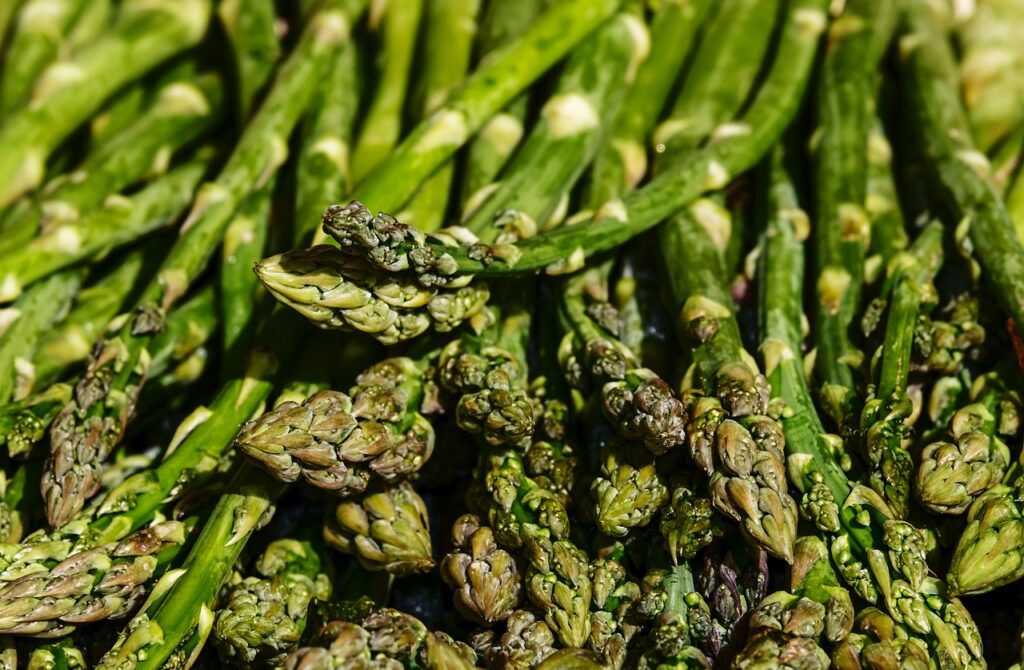
Asparagus is an excellent source of Vitamin K and contains fiber and antioxidants. Vitamin K helps keep our bones strong. Fiber keeps us regular while antioxidants protect our cells from damage.
Storing and Choosing Asparagus:
- Asparagus stalks should be plump and tips should be pointy.
- Asparagus spears should be firm and straight.
- Refrigerate asparagus in an unsealed plastic bag.
How to Add Asparagus to your diet:
- Roast asparagus in the oven.
- Serve with grilled fish.
- Sprinkle it with cheese, and bake it.
Here is a recipe for a special chicken and rice dish with asparagus: Asparagus Mandarin Orange Chicken and Rice
Written by: Priya Samuel, EFNEP student volunteer
Physical Activity for Children

Children need 60 minutes of physical activity every day! Being active helps children build strong muscles and bones, control weight, and even focus in school. Physical activity can be spread out throughout a child’s day in ways like:
- Biking or walking to school
- Playing active games like tag or hide and seek
- Joining sports teams at school or local community recreation centers
- Helping out with chores like raking leaves or washing the car
Check out children’s work-out videos on YouTube for more ideas! Remember to check with their doctor before beginning any exercise routine and encourage children to stop if you feel any discomfort.
Written by: Priya Samuel, EFNEP student volunteer