Fruity Frozen Treats
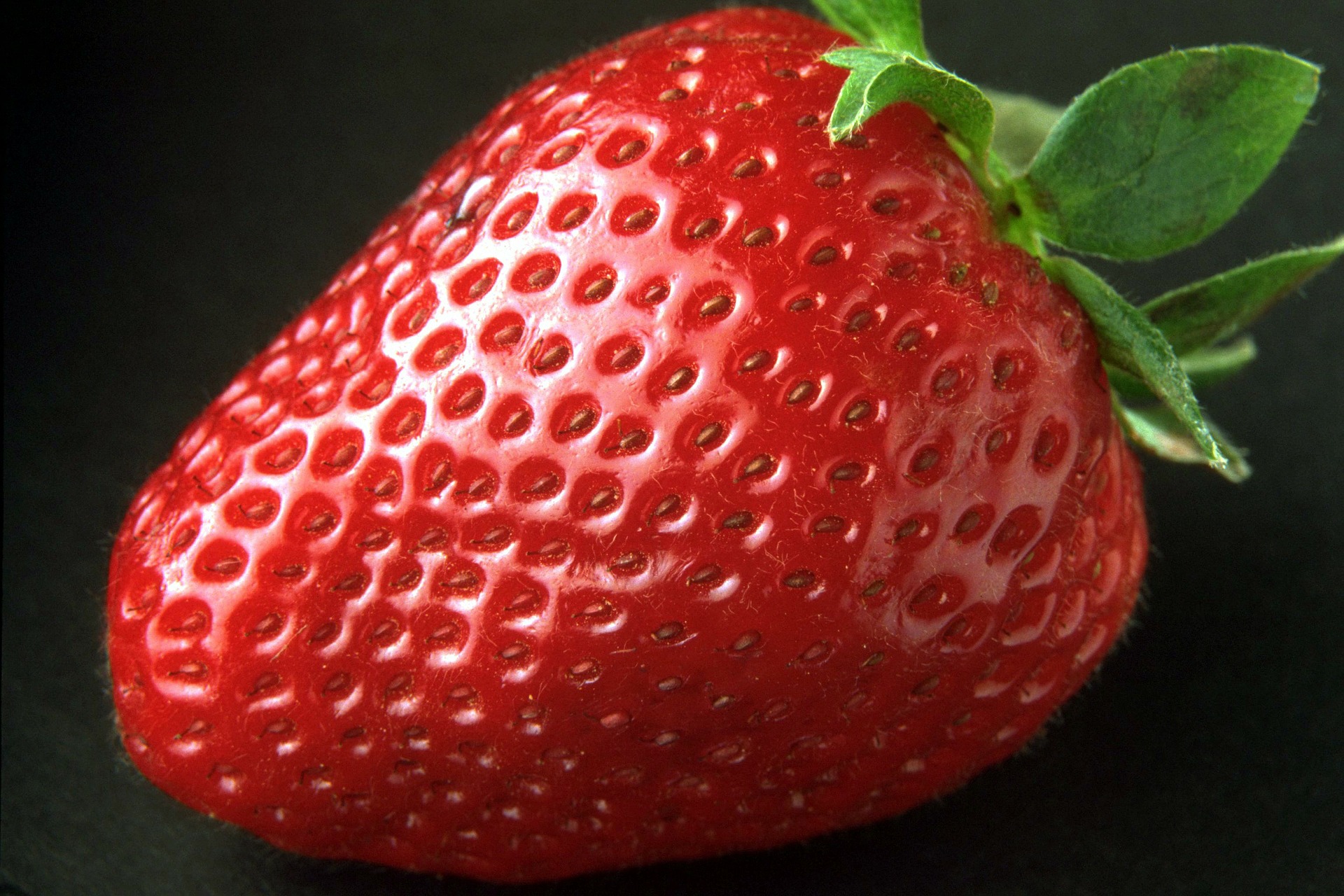
Fruity Frozen Treats
Makes 8 ‐1 freeze servings
Ingredients:
- 1 8‐ounce container nonfat lemon yogurt
- 2 cups cubed, seedless watermelon
- 1 pint fresh strawberries, tops removed
- 1 medium banana, peeled and sliced
Supplies: 12 muffin‐tin with paper baking cups
Preparation:
- Place yogurt and fruit in a blender. Cover tightly.
- Blend until smooth. Pour into muffin tin.
- Freeze until frozen solid, at least 2‐3 hours.
To serve, remove from freezer and let sit about 10 minutes. Peel paper cup off each treat and eat.
Preparation time: 10 minutes, plus 3 hours freezing time
Source: USDA
Take the challenge and walk!
Walking is an excellent way to incorporate physical activity into your daily routine. You don’t need any special equipment or clothing other than a comfortable pair of tennis shoes. We are all guilty of sitting too long at the computer or watching too much television. Today, I would like to extend a challenge to myself and to each of you to decrease the time we spend sitting by getting up and walking at least 30 minutes each day.
Don’t feel that you have to do the entire 30 minutes at one time. If you plan three 10-minute walks each day, this will help you reach your goal easier. Be sure to walk at a brisk pace for maximum benefit. Challenge a friend and track your progress.

Walking lowers your risk for many diseases such as heart disease, stroke, high blood pressure, and diabetes. It is also a great way to prevent weight gain and promote bone health.
So, will you accept the challenge? Today is a great day to start walking!
Lorelei
Fruit Smoothies
Children need 2 -3 cups of milk each day for good health and growth. Offering children milk instead of soft drinks or other sugary beverages also helps them maintain a health weight. Smoothies are a great milk treat with lots of flavor.
Check out the Fruit Smoothies recipes from Cooking with EFNEP cookbook:
Makes 2 servings | Serving Size: 1 cup
Choose 1/2 cup of a fruit
• Bananas • Strawberries
• Peaches • Blueberries
Choose 1 cup of a base
- Low-fat plain yogurt
- Low-fat vanilla frozen yogurt
- Frozen juice concentrate, such as apple or orange
Choose 1/2 cup of a liquid
• Low-fat or fat-free milk
• 100% fruit juice
• Calcium-fortified soy milk
• Low-fat vanilla yogurt
• Frozen fruit
• Ice cubes
Example 1
• 1/2 cup strawberries
• 1 cup low-fat vanilla yogurt
• 1/2 cup fat-free milk
Example 2
• 1/2 cup banana
• 1 cup frozen orange juice
• 1/2 cup low-fat milk
Example 3
• 1/2 cup blueberries
• 1 cup low-fat frozen vanilla yogurt
• 1/2 cup orange juice
Directions:
Put all the ingredients in a blender and mix until smooth. Serve immediately. This will give you enough for two people. If there are more than two of you, you can make twice as much.
Nutrition Information Per Serving
110 Calories, Total Fat 1.5g, Saturated Fat 1g, Protein 8g, Total Carbohydrate 14g, Dietary Fiber 1g, Sodium 115mg. Excellent source of calcium and vitamin C.
Recipe analyzed according to Example 1. Nutritional value will vary with choices made.
Canned Fruits and Vegetables
The majority of the fruits and vegetables I purchase are canned. There are always good sales on these items and I have more dry storage space than refrigerated storage. I always read the label to be sure I’m buying vegetables that are low to no sodium and that canned fruit are packed in juice. If I can’t find these, I simply pour the canned item into a colander and rinse off the extra sugar or salt.
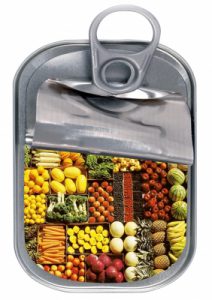
(Image courtesy of xedos4 at FreeDigitalPhotos.net)
Some of my favorite ways to use canned fruits and vegetables are to microwave canned apples (drained and rinsed) and sprinkle it with cinnamon. I also love to add mandarin orange slices to salads, canned beans to sloppy Joes, and canned mixed vegetables to many of my casserole recipes. Adding canned fruits and vegetables to recipes are a quick and inexpensive way to make meals more nutritious!
Read here for 10 ways to enjoy canned vegetables.
-Judy
To Stretch Or Not To Stretch
I know there is much controversy about whether or not to stretch before you exercise. What isn’t controversial is that stretching is an important part of staying fit. It keeps our bodies flexible allowing us to move our muscles and joints through their full range of motion.
For years, stretching has been an essential part of a fitness program as a way to decrease the risk of injury, prevent soreness and improve performance. Back when I was in school, all my PE teachers always had the class stretch before we played tennis, went on a run or participated in any kind of physical workout. For as long as I can remember, stretching has always been part of my fitness routine.

The University of Rochester Medical Center suggests a few tips to get the most from your stretching:
- Do five to 10 minutes of walking or light jogging to warm up before you start exercising and stretching. Do not try to stretch muscles when they are “cold.”
- Stretch at least two to three times a week. If you work out two to three times a week, just make it part of your workout routine.
- Stretch all major muscle groups, especially those your activity involves. For running or other leg-centered exercise, that means the quadriceps, hamstrings, and calves. Stretch the shoulders, chest, and back before activities working the upper body.
- Stretch each muscle group individually using slow, gentle movements. Breathe while you stretch, exhaling as you move into the stretch. Hold the position no more than 20 to 30 seconds. Three to five repetitions is recommended.
- Don’t try to balance and stretch at the same time. Holding onto a chair or wall for standing stretches provides more stability.
- Don’t bounce while you stretch or make sudden movements. Back off if you experience pain. Stretching should not take a joint past its normal range of motion. Stretching the wrong way can harm muscles by creating small tears that may become bigger when you exercise.
To learn more about stretching and warming up, check out their website.
-Susan