Quick Cook Egg
Ingredients:
- 1 egg
- 1 tablespoon milk
- Cooking spray
- Dash of pepper (optional)
Directions:
- Spray a microwave safe mug with cooking spray
- Crack an egg into the mug (wash hands after)
- Add the milk and pepper if desired
- Whisk together with a fork
- Cover with a damp paper towel
- Microwave for 30-45 seconds or until the egg reaches 160˚
Ranch Popcorn
Skip the store-bought microwave popcorn and make your own flavorful snack at home! This easy dill pickle popcorn recipe is quick, budget-friendly, and packed with savory seasoning for a fun twist on traditional popcorn.
Makes X servings | Serving size: X
Ingredients
- 2 tablespoons oil
- 1/4 cup popcorn kernels
- 1 brown lunch bag
- 1/4 teaspoon garlic powder
- 1/4 teaspoon onion powder
- 1/4 teaspoon black pepper
- 1/2 teaspoon dried dill weed
- 1/8 teaspoon salt
Directions
- Place oil, popcorn kernels, and all spices into a brown lunch bag.
- Fold the top of the bag tightly several times to seal.
- Shake the bag to evenly coat the kernels with oil and seasonings.
- Microwave for about 2 minutes or until the popping slows significantly.
- Carefully open and enjoy your homemade seasoned popcorn.
Nutrition Information Per Serving: Add nutrition details here based on final serving size and ingredient analysis.
Springtime Asparagus Pasta
Bright, fresh flavors in a simple preparation make this very-of-the-season dish that is both satisfying and convenient. Orzo, the short, thick rice-like pasta, translates to “barley” in Italian works overtime to absorb the flavors of the lemon, asparagus, and chickpeas.
Makes 4 servings
Ingredients
- 1 cup orzo, uncooked
- 1 lb. fresh asparagus, cut into thirds
- 3 tablespoons olive oil
- 3 cloves garlic, minced
- 1 15 oz can of low-sodium chickpeas (garbanzo beans), drained
- 1 quart of water
- 1 teaspoon salt (plus more for boiling)
- 1 teaspoon black pepper
- ¼ cup fresh parsley, chopped
- 1 lemon, zested and juiced
Directions
- In a large stock pot, bring 1 quart of salted water to a boil. Once boiling, add the pasta and cook for ten minutes.
- While the orzo is cooking – in a large sauté pan, add the olive oil and garlic. Sauté on medium heat for three minutes.
- Add the asparagus and cook until tender for another three to four minutes.
- Add the chickpeas and cook for another minute.
- Once cooked, drain the orzo pasta and add it back to the pot.
- Add the sauteed asparagus and chickpeas to the pot with the orzo. Stir to combine.
- Season with salt, pepper, parsley, lemon juice and zest. Serve immediately.
Recipe by: Chef Brigid Washington
Stretching for a Safer Workout
Stretching before and after your workout is important in helping to prevent injuries and keep you flexible, but the type of stretching you do before and after working out should be different!

Before your workout, you want to do dynamic stretches. These are stretches that involve movement and help warm up your muscles for more intense activity. Try arm and hip circles, rolling your shoulders, marching with high knees, and leg swings. Try to do about 10 repetitions of each stretch.
Perform these stretches before being active to warm up the same muscles you plan to use in your main workout–for example, runners should focus on getting their legs moving with a brisk walk, while swimmers might focus more on their arms with arm circles and shoulder rolls.
After your workout, you want to do static stretches. This type of stretch involves holding the same position for 15-30 seconds. These stretches are probably the type of stretching you are more familiar with. It can include things like reaching for your toes, holding your arm across your chest, or bending your leg and holding in a quadricep stretch. Remember, these should only be done after you exercise while your muscles are warm to prevent injury!
Holding a stretch after working out helps your muscles recover faster, which could help prevent soreness and stiffness. These types of stretches are also helpful in improving flexibility and making sure your joints continue to move well as you age. After you exercise, make sure you are holding stretches for the same body parts you were just working out.
Remember: It’s okay if stretching pulls a little, but it should never be painful! If you are in pain, it means you are stretching too far. With both types of stretches, always be in control of your movements. Don’t flop around or throw your body into the stretch as this could result in injury.
Sources: YMCA
All About Chickpeas
Chickpeas, also called garbanzo beans, are a great addition to a healthy diet! They are sold dry and canned, and both types can be used in different ways.
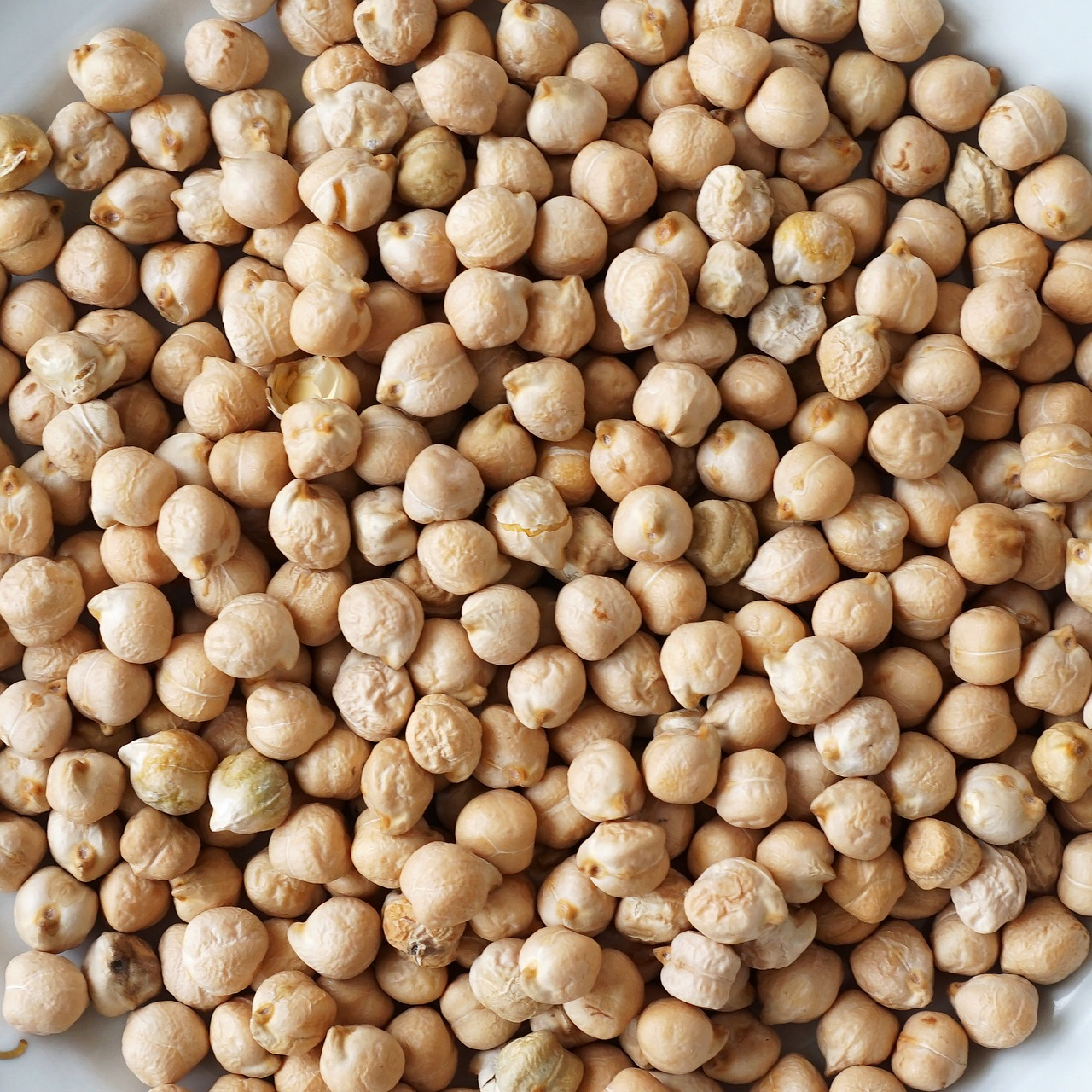
Dried whole or split chickpeas are great for Indian and Spanish dishes. Depending how you choose to cook them, it can be a bit time-consuming, but they are worth it!
When using dry, start by rinsing the chickpeas. Soak them in water in the fridge overnight to make them easier for your body to digest. After soaking, you can cook your chickpeas on the stove for 1.5 hours, on high in a slow cooker for 3-6 hours, or in a pressure cooker for about 20 minutes. You can add a pinch of baking soda to the water when cooking to speed up the cooking time! 1 cup of dried chickpeas makes 2.5-3 cups when cooked.
Canned chickpeas are pre-cooked and ready to eat! These are great roasted, or ground into hummus or a meatless burger. Watch out for sodium in canned chickpeas, though. Always choose low-sodium options, and feel free to rinse your chickpeas in a strainer to remove even more of the salt.
Half a cup of cooked chickpeas has about 135 calories, 2 grams of fat, 6 grams of fiber, 7 grams of protein, 30% Daily Value of folate, 10% Daily Value of zinc, and 4% Daily Value of iron. Chickpeas have also been shown to help decrease blood pressure, lower cholesterol, and improve digestive health
While chickpeas themselves are a good substitute for meat, the liquid from canned chickpeas can also be used in place of egg when baking, and it can be whipped (just like egg whites) into meringue or whipped cream! Chickpea flour is also available as a gluten free flour option. You can buy chickpea pasta, chips, tortillas, breads, and pizza doughs!
If you’re looking for a tasty chickpea recipe, give this hummus a try!
Source: Foodandnutrition.org