Chicken Cutlet with Cucumber and Greens
Chicken cutlet is a year-round favorite and a simple way to get more bang for your buck. One boneless skinless chicken breast makes for two hefty cutlets when pounded thin. The surprising addition of crackers goes the distance by adding both crunch and flavor. When paired with a simple summer salad – one full of fresh cucumbers – this meal is sure to be on the summer-time menu plan.
Serves 4
Ingredients:
- ½ cup whole wheat flour
- 10 whole-wheat ritz crackers or saltines, pounded to crumbs
- 1 teaspoon salt, divided
- 1 teaspoon black pepper, divided
- 1 egg, beaten
- 1 lemon, zested, then juiced
- 1 large boneless skinless chicken breast
- 2-3 tablespoons olive oil
- 1 bag mixed greens (about 5 ounces)
- 1 cucumber
Directions:
1. On a plate or shallow bowl combine the flour, half the salt, and half the pepper. Mix to combine.
2. One a separate plate, add the egg, and zest from one lemon. Mix until fairly beaten, without any streaks of white.
3. On a third plate, add the crushed crackers. (This is a three-step breading station.)
4. Slice the chicken breast in half horizontally and season with salt and pepper.
5. Cover with an ample layer of plastic wrap. Using a rolling pin or the back of the sauté pan (that will be used for pan-searing the chicken breast) pound the chicken until it looks like it has doubled in size, but not thickness. Repeat this process for the other half of the chicken breast. Place them on a cutting board
6. Place a large skillet on medium heat and add the olive oil.
7. Dredge one piece of the chicken in the flour, then egg, then crackers and place into the skillet. Repeat for the other chicken breast. Wash hands throughly after handling raw chicken.
8. Cook the chicken in a single layer, so that neither breast is touching. Cook for 5 minutes per side, until the chicken reaches an internal temperature of 165˚ F. Once cooked, transfer the chicken onto a paper towel lined plate.
9. Cut the cucumber and add it to a large bowl. For added appeal, peel the cucumber alternately then cut it in half half lengthwise. Remove the seeds and then cut horizontally into crescent shapes.
10. Add the remaining salt, pepper, oil, and lemon juice and toss to combine.
11. Add the mixed greens to the bowl and toss to combine. Serve next to the chicken cutlets.
Cooking with Kids
Getting kids into the kitchen is an important way to help them learn about healthy foods, meal preparation, and food safety. Having your children help with meals when they are young will prepare them to choose and cook healthy foods for themselves when they are older. Cooking together is also a great way to get more time with your kids!

When cooking with kids, remember that they may need more instructions since they have less experience. It’s especially important to remind them to practice food safety, like washing their hands after touching raw foods, keeping different food groups separate, and cooking meats to the correct temperature.
An easy way to do this is to include food safety instructions in your recipe. On written recipes, make notes that remind you to wash your hands, sanitize your knife and cutting board after they touch raw foods, and note the correct cooking temperature for the food used in the recipe. If you are giving your child verbal instructions, make these steps part of the process instead of just telling them before starting.
You may also need to remind kids to clean their cooking space as they go. This includes throwing away fruit and vegetable peels and turning the heat down if things are cooking too quickly. Kids, especially young children, don’t always notice the same things as adults!
If your child is not a big fan of cooking, try some of these fun ideas to keep them interested and engaged:
- Make it a competition. If you have multiple children close to the same age, have them each make the same recipe and compare the results. Or, have the kids team up and compete against you.
- Let them be creative. Challenge your kids to do something surprising with the dish, like add food coloring or include a different seasoning. Kids are full of ideas and learn by trying, so let them get a little funky (with supervision, of course!)
- Give age-appropriate tasks. When kids help you in the kitchen, give them something interesting to do. Older kids can chop, peel, wash, and cook. Younger kids can stir, pour, measure, and mix. You can also ask elementary-age kids to read you the recipe. This lets them practice reading and helps them learn measurements.
- Choose a theme. Have older kids plan and cook a meal to fit a theme they choose. They could go with a favorite TV show, animal, color, or even a pop star or viral trend!
However you choose to involve your kids in cooking, the important part is that they are involved! Teaching your children how to navigate the kitchen and prepare food safely is a valuable lesson. With time, practice, and supervision, they will learn to be great chefs and helpers. Happy Culinary Arts Month!
-Bethany Helm, Student Employee
Learn more at FightBac.org
Cool Cucumber Coleslaw
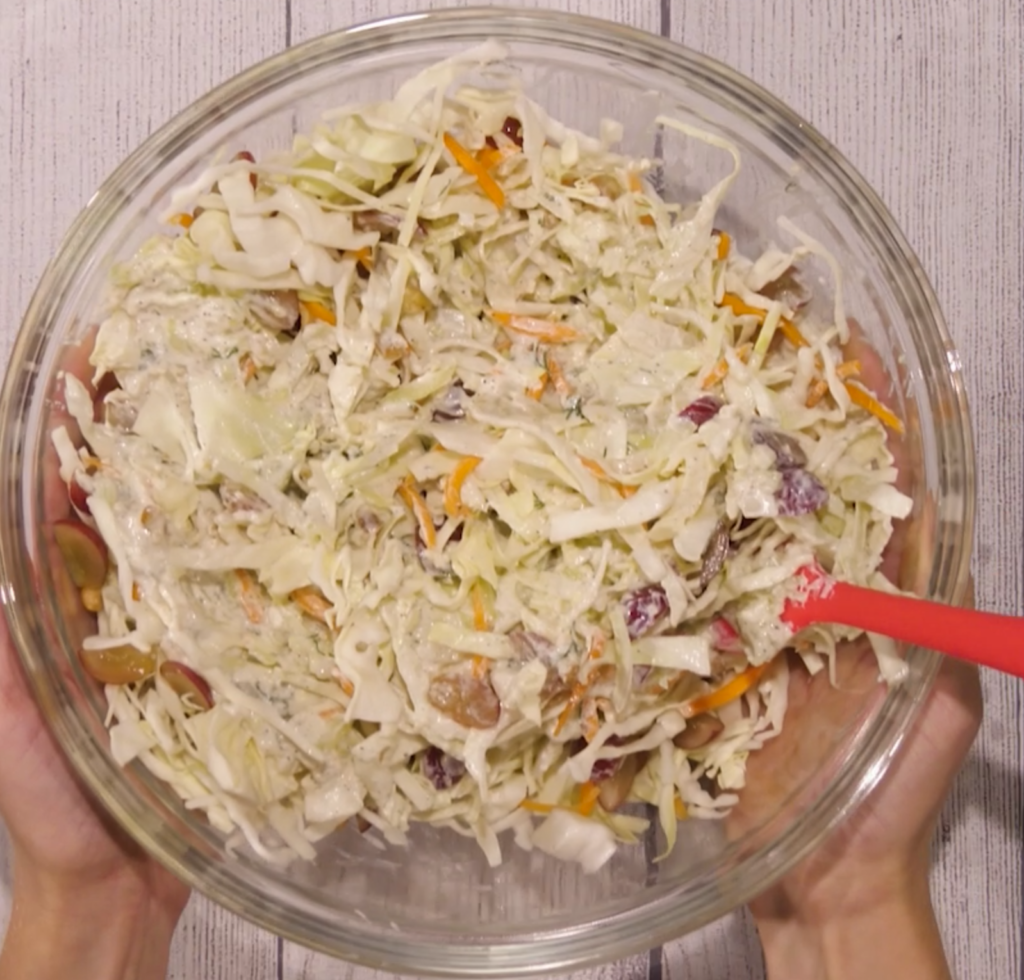
Makes 6 servings
Serving Size: 1 cup
Ingredients for Tzatziki Sauce
- 1 medium cucumber, peeled
- 5 ounces nonfat Greek yogurt, vanilla
- 1/4 cup nonfat Greek yogurt, plain
- 1 tablespoon fresh dill, chopped
- 1 tablespoon garlic, minced
- 1/8 cup onion, finely diced
- 1 1⁄2 tablespoons apple cider vinegar
- 2 tablespoons extra virgin olive oil
- 3/4 teaspoon salt, divided
- 1/2 teaspoon pepper
Ingredients for Coleslaw
- 4 cups cabbage, finely shredded
- 1 1⁄2 cups seedless grapes, cut into quarters
- 1 cup carrots, coarsely shredded
- 6 ounces walnuts, chopped
Directions
1. Cut cucumber lengthwise. Remove seeds.
2. In a medium size bowl, coarsely grate cucumber.
3. Add 1/4 teaspoon salt to cucumber and place on plastic wrap, over- lapping plastic to firmly secure. Set aside on colander for 15-20 minutes.
4. In a small bowl, mix remaining Tzatziki Sauce ingredients. Cover with a lid and allow to chill in the refrigerator while preparing coleslaw.
5. In a large bowl, mix all Coleslaw ingredients.
6. Gently wring plastic wrap from one end to the other and squeeze and discard juice from grated cucumber.
7. Stir cucumber into chilled yogurt mix.
8. Combine Tzatziki Sauce with Coleslaw and mix thoroughly.
9. Serve immediately or cover and chill to serve later.
Nutrition Information Per Serving:
300 Calories, Total Fat 14g, Saturated Fat 2g, Protein 10g, Total Carbohydrate 24g, Dietary Fiber 5g, Sodium 377mg. Excellent source of vitamins A and C. Good source of calcium and iron.
Recipe contributed by Lethia Lee and Ahira Sanchez, Former NC EFNEP Educators
Rotisserie Chicken Recipes
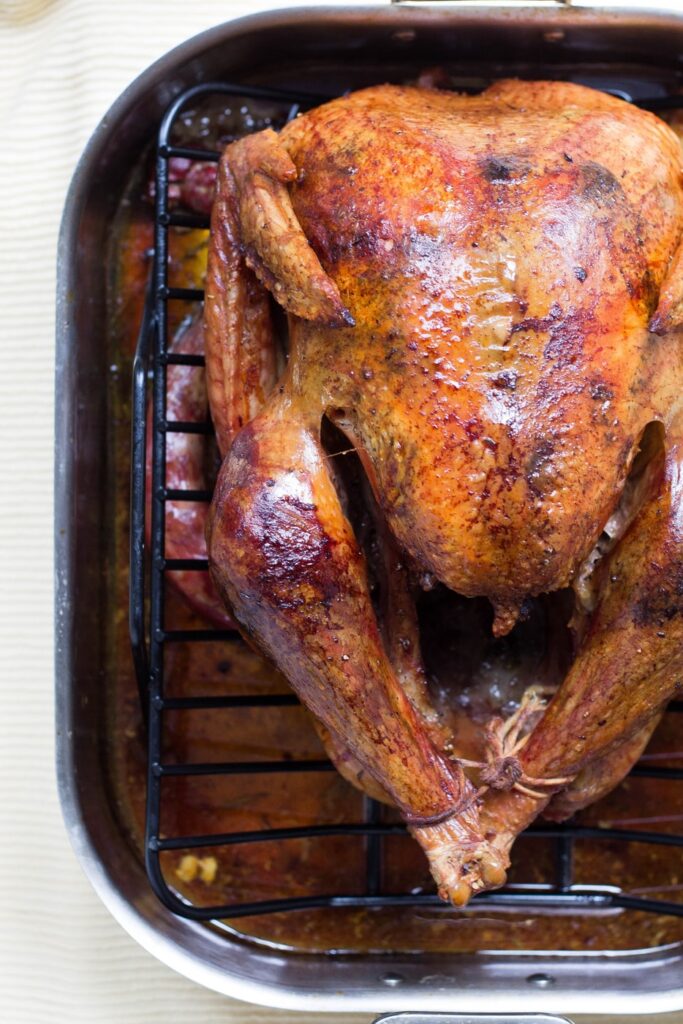
Have you seen Rotisserie chicken on sale at your local grocery store lately? Don’t pass up on this deal!
Here are some healthy recipes that can be prepared with a pre-cooked chicken. You can also easily shred a precooked chicken and throw it into other soups, salads, casseroles, and stir frys.
Herbs and Spices
Herbs and spices are an excellent choice for flavoring your meals, and many herbs and spices have health benefits as well! By using other flavors, you’ll be able to make delicious food without adding salt or sugar. If you aren’t sure where to start with seasoning, here are some tips.
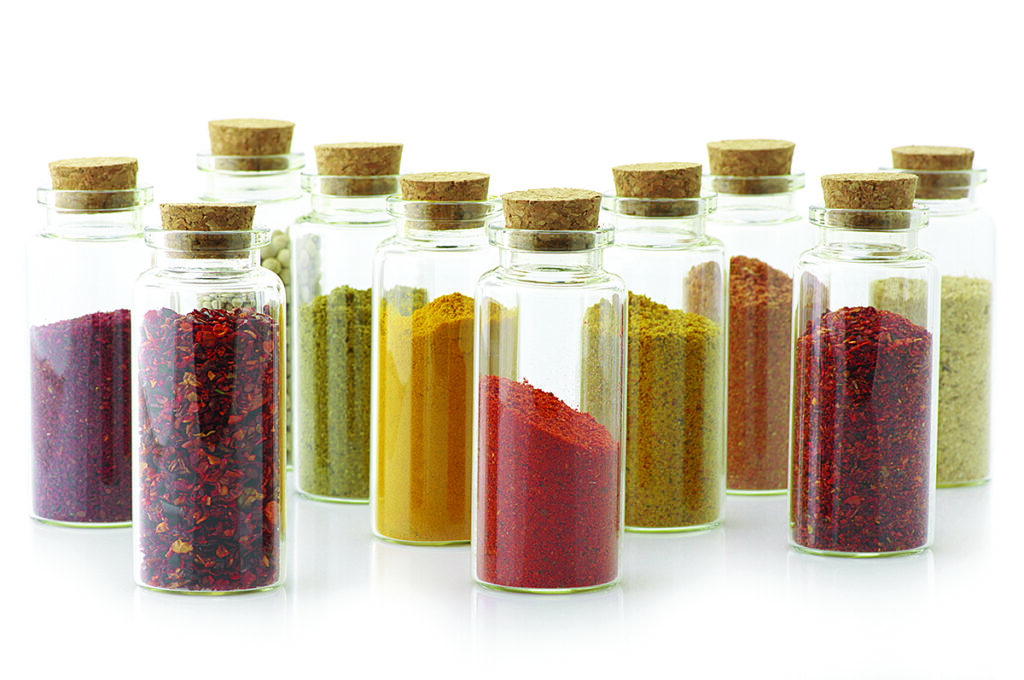
Spices that have a bite are great for replacing salt. Try one of these Savory spices:
- Black pepper
- Coriander
- Cumin
- Curry powder
- Garlic powder
- Ginger
Sweet-tasting spices can be used in place of sugar. Try one of these Sweet spices:
- Allspice
- Cinnamon
- Cloves
- Ginger
- Nutmeg
Rice: Try thyme or basil, or use ginger, curry, or chili powder for a little kick.
Pasta: Flavor with basil, oregano, parsley, or Italian seasoning after cooking.
Eggs: Use pepper, paprika, chives, or basil while they cook.
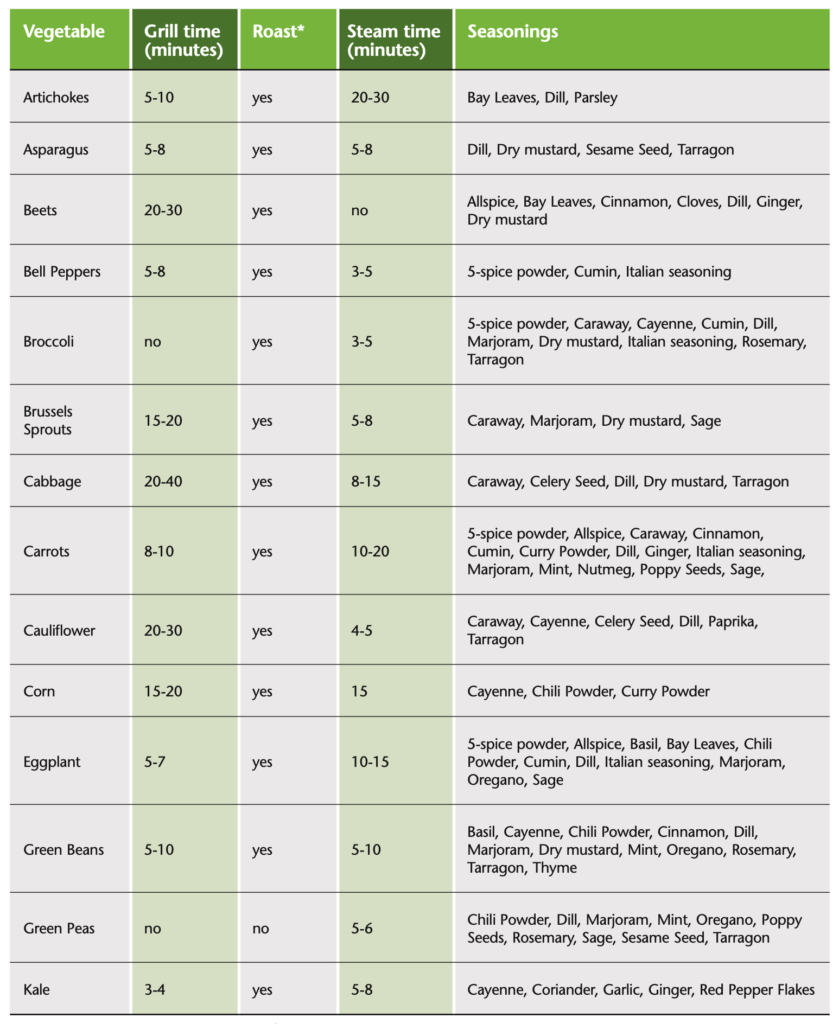
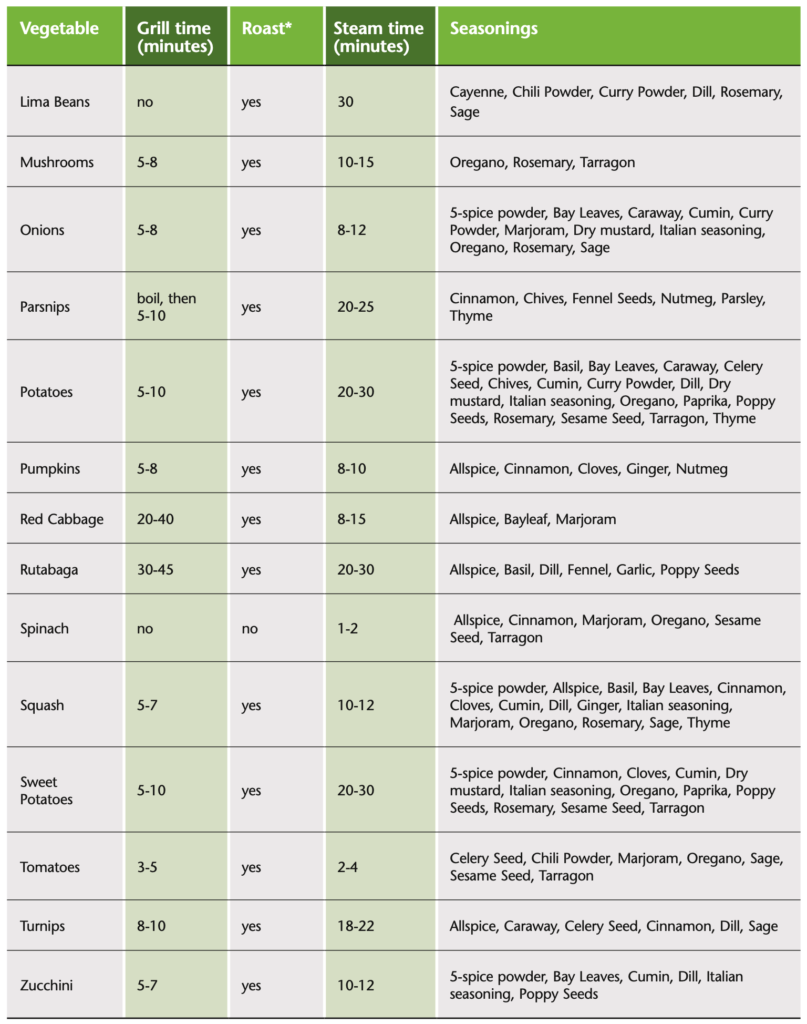
Mix up your own seasoning blends and rub them onto meats before cooking. This handout has some great suggestions for seasoning meats and vegetables, and this article has recipes for some helpful at-home seasoning blends!
If you aren’t following a recipe, start with a small amount of seasoning (about ¼ tsp) and adjust to taste. For herbs and spices with stronger flavors, like garlic and cayenne pepper, start with about ⅛ tsp.
Dried herbs and spices are a good option but you can also grow your own! Try growing them on a windowsill or in a pot outside. Remember, when using fresh herbs, 1 Tablespoon of fresh herbs equals about 1 teaspoon of dried herbs. If a recipe calls for fresh herbs you don’t have, feel free to substitute the dried versions!
For more flavor combination ideas, use the charts below: